
Session 2: Shoulder Girdle & Breath
This page supports your Structural Bodyworks 3-Series.
You do not need to read or do everything here.
Some clients explore immediately. Others return after each session.
There is no right or wrong way to use this page.
This is a reference — not homework.

How to Use This Page
Structural change happens through support, awareness, and time, not force.
Explore what feels relevant
Revisit sections after each session
Notice how your body responds
If something feels unfamiliar or unclear, that’s part of the process.
We’ll continue to guide you in person.
Shoulder Girdle & Breath
Ribcage • Diaphragm • Shoulders

Once your foundation is more stable, we focus on how the upper body balances above it.
Key Concept: Rib Expansion & Support
Restricted rib movement often forces the shoulders and neck to compensate for stability. In Structural Bodyworks, we address this by restoring rib mobility and diaphragmatic support.
Go Deeper: Breathing, Ribs & Shoulder Position
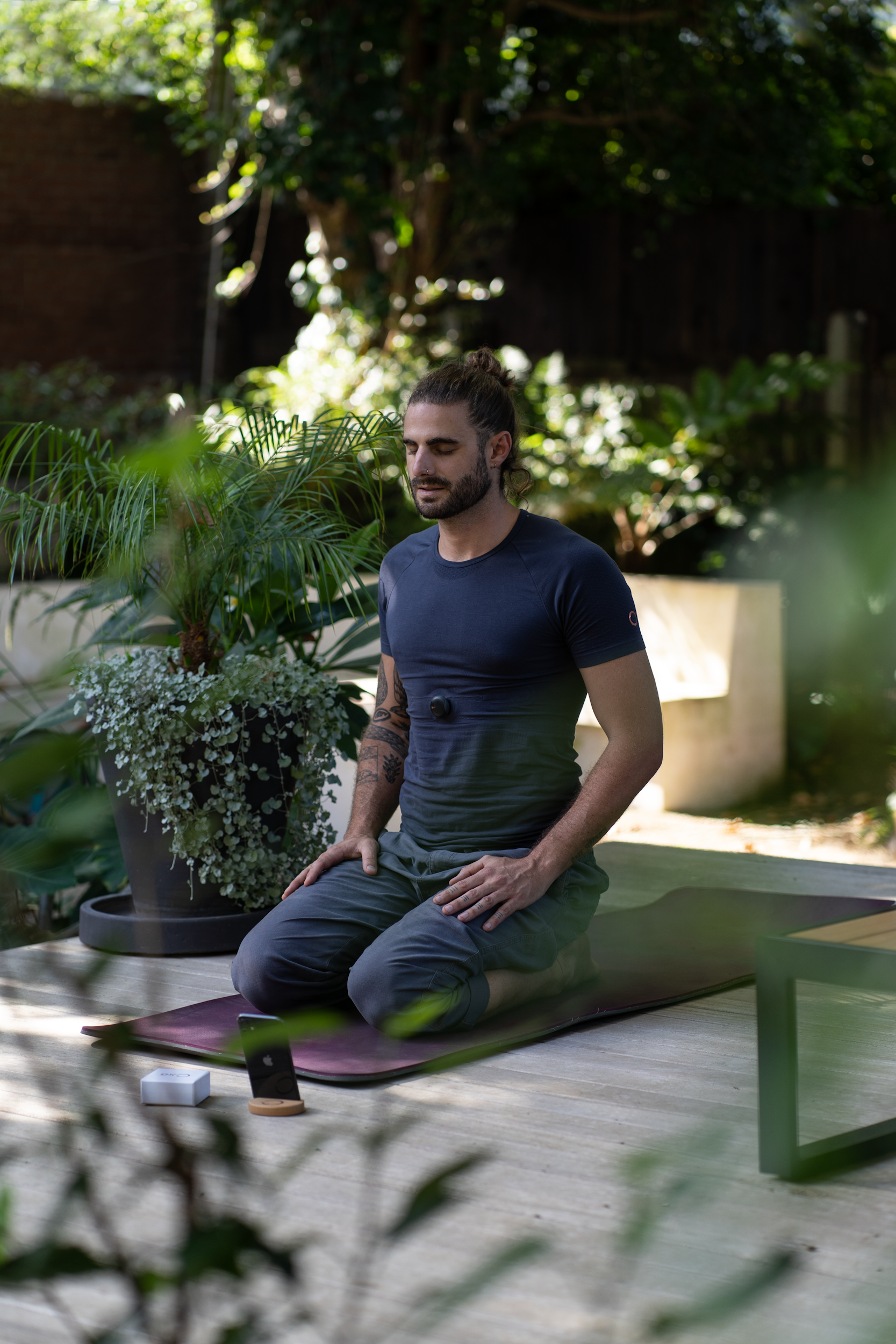
When breathing is shallow or chest-dominant, the ribcage remains rigid. This limits the ability of the shoulder girdle to rest and move efficiently, often leading to chronic neck and upper-back tension.
360° diaphragmatic breathing allows the ribs to expand:
sideways
into the back
without excessive chest lifting
This creates a more stable, responsive base for the shoulders to organize on. As rib mobility improves, the shoulders no longer need to “hold” for support.
Notice (No Exercises Required)

Between sessions, simply notice:
where your breath moves during the day
whether your shoulders feel more supported
moments when the neck works less
Awareness alone reinforces change.
Explore Other Sessions

Session 1
Foundation & Support

Session 3
Spine & Whole-Body Integration